
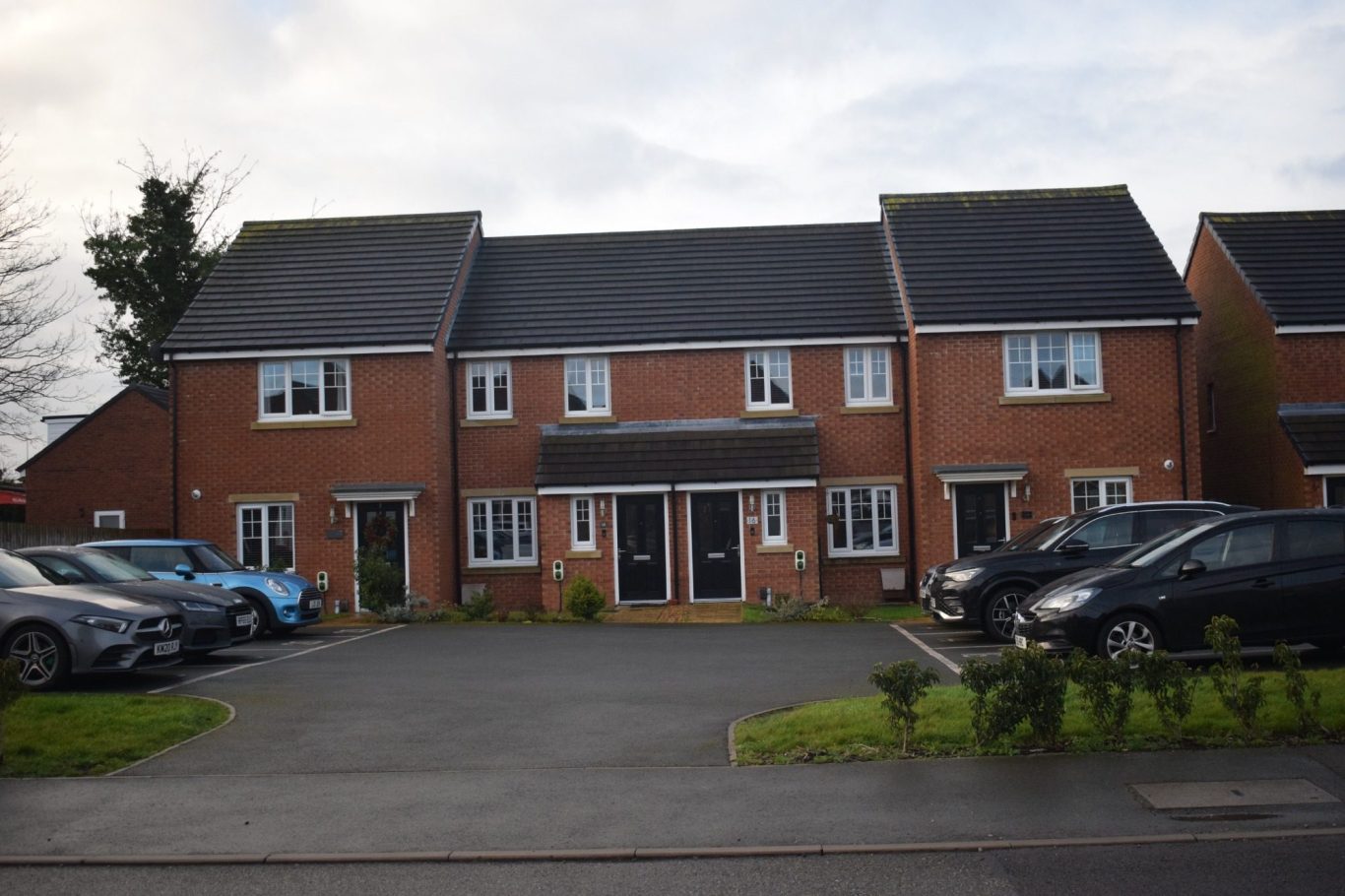
Reinstatement Cost Assessments
Professional Reinstatement Cost Assessments for Property Insurance
Protecting your property against unforeseen events starts with ensuring that your buildings insurance is based on an appropriate reinstatement cost. Our Reinstatement Cost Assessments provide a professional estimate of the cost of rebuilding a property following a total loss, helping property owners, landlords, businesses and property managers establish a suitable basis for buildings insurance cover.
Unlike market value, which reflects what a property may sell for, reinstatement cost focuses on the estimated expense of reconstructing the building, taking account of its construction, size, materials and other relevant factors. A carefully prepared assessment helps support informed insurance decisions and reduces the risk of relying on an inadequate or inappropriate insured amount.
What Is a Reinstatement Cost Assessment?
A Reinstatement Cost Assessment (RCA) is an assessment of the estimated cost of rebuilding a property following an insured event, such as a major fire or other destructive incident.
The assessment considers the costs associated with reinstating the building to an appropriate standard, subject to the relevant insurance basis and applicable requirements. Depending on the property and the agreed scope, this may include demolition, site clearance, rebuilding works, professional fees and other relevant allowances.
A reinstatement cost is not the same as a property's market value. Land value, location and market demand can influence a property's sale price but do not necessarily reflect the cost of rebuilding it.
What Does a Reinstatement Cost Assessment Include?
The scope of an assessment depends on the property, its construction and the purpose of the instruction. A professional reinstatement cost assessment may consider the following elements.
1. Property Inspection and Building Information
Review of relevant property information and, where included within the service, an inspection to establish the building's characteristics, construction, approximate dimensions, layout and other features that influence rebuilding costs.
2. Construction Type and Materials
Consideration of the property's construction methods, structural elements, external walls, roof coverings, internal finishes and other relevant materials. Non-standard construction and specialist features may affect reinstatement costs.
3. Building Size and Floor Areas
Assessment of the building's size and relevant floor areas to support the calculation of estimated rebuilding costs. The approach will depend on the property's configuration and the information available.
4. Demolition and Site Clearance
Consideration of the potential costs of removing damaged building materials, clearing the site and preparing it for reconstruction following a total loss.
5. Rebuilding and Construction Costs
Estimation of the costs associated with reconstructing the building, including relevant labour, materials and construction activities, using appropriate cost information and assumptions.
6. Professional Fees and Associated Costs
Where applicable, consideration of professional fees for services such as architectural design, structural engineering, quantity surveying and other specialist input required to facilitate reinstatement.
7. Additional Reinstatement Considerations
Depending on the property and assessment scope, relevant allowances may be considered for matters such as access constraints, specialist building features, site conditions, regulatory requirements and other factors affecting rebuilding costs.
8. Reinstatement Cost Report
Preparation of a report setting out the assessed reinstatement cost, relevant property information, assumptions and other material considerations to support the intended insurance purpose.
Why Is a Reinstatement Cost Assessment Important?
Having an appropriate reinstatement cost figure is an important part of managing property insurance. If the declared buildings sum insured is too low, the available cover may be insufficient to meet the full cost of reinstatement following a major loss. Conversely, an unnecessarily high figure may result in paying for more declared cover than is appropriate under the policy.
A professional assessment can help property owners understand the potential cost of rebuilding and review their insurance arrangements on a more informed basis.
Reduce the Risk of Underinsurance
An assessment provides an evidence-based estimate of rebuilding costs, helping identify whether the existing buildings sum insured may need to be reviewed.
Support Informed Insurance Decisions
A professional report gives you a clearer basis for discussing buildings insurance requirements with your insurer or insurance broker.
Understand the Difference Between Market Value and Reinstatement Cost
The report helps distinguish the cost of rebuilding a property from its potential sale price, reducing the risk of using an inappropriate figure for buildings insurance.
Account for Property-Specific Features
The assessment considers relevant construction characteristics and other factors that may influence rebuilding costs, particularly for older, unusual or specialist buildings.
Support Property and Asset Management
For landlords, commercial property owners and portfolio managers, reinstatement cost information can support insurance reviews and broader property risk management.
Who Needs a Reinstatement Cost Assessment?
Residential Property Owners
Homeowners may require an assessment to review whether their buildings insurance reflects the estimated cost of rebuilding their property.
Landlords and Property Investors
Landlords and investors can use reinstatement cost assessments to support insurance reviews for individual properties and residential portfolios.
Commercial Property Owners
Owners of offices, retail premises, industrial buildings and other commercial properties may require an assessment to establish an appropriate rebuilding cost for insurance purposes.
Property Managers and Managing Agents
Property managers and managing agents may commission assessments to support insurance arrangements for buildings under their management, subject to their responsibilities and the requirements of the relevant policy.
Owners of Older or Specialist Buildings
Properties with traditional construction, unusual architectural features or specialist materials may require particular consideration when estimating reinstatement costs.
Reinstatement Cost vs Market Value
Reinstatement cost and market value serve different purposes and should not be confused.
Market value is an assessment of the price a property might reasonably achieve in a sale under the applicable valuation assumptions.
Reinstatement cost is an estimate of the cost of rebuilding the property following a total loss, taking account of the relevant construction and associated reinstatement expenses.
For example, a property in a highly desirable location may have a substantial market value because of its land and location, while its rebuilding cost may be considerably lower. Equally, a building with specialist construction or materials may have significant reinstatement costs that are not directly reflected in its market value.
The appropriate figure for buildings insurance should be based on the relevant reinstatement requirements and policy terms, not simply the property's purchase price or market value.
Our Approach to Reinstatement Cost Assessments
We recognise that reliable reinstatement cost information is important when making decisions about property insurance. Our approach focuses on understanding the property, considering relevant construction characteristics and applying appropriate cost information to produce a clear and professionally presented report.
Each assessment is considered in the context of the property and the intended purpose of the instruction. The report explains the assessed reinstatement cost and, where appropriate, the assumptions and limitations relevant to the assessment.
Our aim is to provide useful, well-supported information that helps clients review their insurance requirements with greater confidence.
When Should You Review Your Reinstatement Cost?
A reinstatement cost assessment may be appropriate when purchasing a property, reviewing buildings insurance, undertaking significant alterations or extensions, or when an existing assessment may no longer reflect current rebuilding costs.
Changes in construction costs, labour rates, building regulations, materials and the property's physical characteristics can affect reinstatement estimates over time. Periodic reviews can therefore help property owners maintain a more appropriate basis for their insurance arrangements.
The frequency of review will depend on the property, the circumstances and the requirements of the insurer or policy.
Request a Reinstatement Cost Assessment
Whether you own a residential property, manage a portfolio or are responsible for commercial premises, a professional Reinstatement Cost Assessment can help you understand the estimated cost of rebuilding your property and support informed buildings insurance decisions.
Contact us to discuss your property, confirm the appropriate scope of assessment and request a quotation for a Reinstatement Cost Assessment tailored to your requirements.